
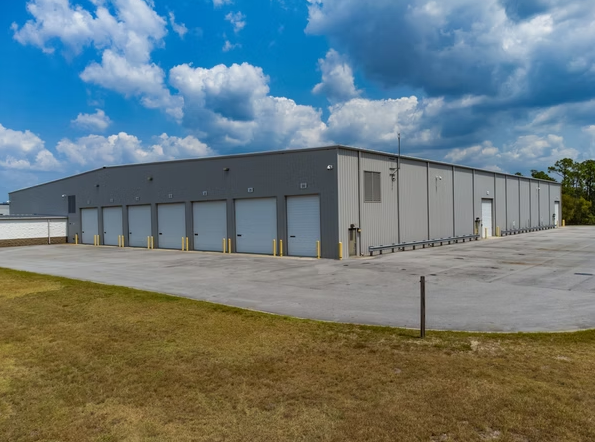
What Property Features Could Give Jacksonville Industrial Assets a Competitive Edge in 2026?
Industrial property decisions in 2026 need a close look. A good property should do more than offer space. It should help a company move goods, control costs, and plan for growth. Features such as truck access, power, loading areas, clear height, and room to expand can affect daily work and future value.
For a Jacksonville industrial broker, the key question is simple: can the property meet the needs of the business today and in the years ahead?
Why Property Features Matter in 2026
Industrial users face tighter delivery times, changing supply chains, labor needs, and higher costs. So, choosing a property has become part of business planning. A building may have a good price but still create problems. Limited truck space, poor loading areas, low power capacity, or a tight layout can slow work and raise costs. A well-planned property can make daily work easier and leave room for growth.
The right approach is to look at how the property fits the business. The building should work for the operation instead of forcing the company to change how it works.
How Truck Access Can Improve Daily Work
Truck movement can affect how well an industrial site works. Wide drive lanes, enough turning room, good dock placement, and trailer space can help trucks move with fewer delays. For distribution and manufacturing companies, small delays can add up. A smart site layout can keep truck traffic organized and help teams use yard space well.
Within Jacksonville industrial real estate, outside road access also matters. JAXPORT, I-95, and I-10 connect businesses with major shipping and trade routes. Still, good highway access is only part of the picture. Trucks also need to move easily once they enter the property.
Why Loading Space Matters
Loading areas can affect how fast a facility receives materials and sends out products. Enough dock space, staging areas, and trailer access can help reduce traffic and delays. The number of docks is not the only factor to review. Their location matters too. So do yard depth, turning space, staging areas, and the distance between docks and the main work areas.
For example, a manufacturer may need space for raw materials before production. A distribution company may need products to move quickly from receiving to shipping. The property should match the company's daily work.
How Power Capacity Can Affect Property Choices
Power can be a major factor for manufacturers, cold storage facilities, and companies that use large machines. A property needs enough power for current needs and possible future changes.
Buyers should review the electrical service, power distribution, backup needs, and possible upgrade costs before making a decision. Strong power capacity can reduce the need for major changes later. For investors looking at Jacksonville industrial real estate, good power capacity can also attract more types of users. A building made for only one type of operation may have fewer future options. Flexible power can give an asset more uses.
Why Clear Height and Floor Layout Matter
The total square footage does not tell the whole story. Clear height and floor layout can affect how much useful space a company gets from a building. Higher clear heights can allow more vertical storage. Open floor areas can also make it easier to add racks, machines, work areas, or new layouts.
Still, more space is not always better. The right design depends on the products, equipment, storage needs, and daily workflow. The goal is to find space the business can use well.
How Expansion Room Can Add Long-Term Value
Business needs can change. A company may need more storage, new equipment, extra staff, or a larger shipping area. Room to expand can give the business more choices. Extra land, more parking space, flexible interior areas, or room for a future building addition can add value.
For an owner planning to sell a warehouse in Jacksonville, clear growth options can also make the property more attractive. Buyers can see what the asset offers today and what it may offer later.
Why Rail and Transportation Access Matter
Jacksonville offers access to highways, ports, and rail networks. These links can matter to companies that move large amounts of goods or materials.
Still, being close to a major route is not enough. Buyers should review the full path goods take. Can trucks reach the property easily? Is there enough yard space? Can carriers move through the site without delays? Does the property match the company's shipping needs? A property with strong outside connections and a useful site layout can give an industrial user a stronger position.
How Site Layout Can Improve Employee Workflow
Industrial property planning also needs to consider employees. A poor layout can create extra walking between parking areas, offices, production areas, storage zones, and loading docks. A clear layout can reduce wasted movement and make daily work more organized. Keeping truck areas and employee areas separate can also help manage traffic around the site.
For executives reviewing Jacksonville industrial real estate, these details deserve close attention. Small layout problems can add time and cost each day. A useful property should help people work smoothly.
What Investors Should Look Beyond Price
Price matters, but it should not be the only measure of an industrial asset. Maintenance needs, power, access, tenant demand, loading space, and expansion room can all affect future value. Investors should look ahead. Can the property attract strong users? Can it handle changing needs? Does its design fit Jacksonville's continued industrial growth?
A Jacksonville industrial broker with an advisory approach can connect these property details with the investor's goals. The focus should be on making a sound business decision, not just completing a deal.
How Owners Can Prepare an Asset for Sale
Owners planning to sell a warehouse in Jacksonville should first understand what makes the property useful. Buyers need more than a list of features. They need to see how those features can help an operation.
Owners can review the building's power, loading areas, parking, truck access, maintenance records, site layout, and room for growth. Clear records can also make the review process easier for buyers. Most importantly, owners should understand the property's place in the market. Selling is a strategy, not simply a goal. A clear view of the asset can guide pricing, marketing, and buyer discussions.
Final Thought
Industrial properties with a strong edge in 2026 will offer more than floor space. Their value will come from how well they fit business needs, freight movement, power needs, employee workflow, and future growth.
For owners and investors, the better question is not simply what a property has. The better question is how well those features can serve the business. Better decisions begin with better strategy. When a property fits the operation, it can become a useful tool for better daily work and long-term value.